
If you watch all of the videos, week by week, you will get a good understanding of how and what your plants should look like during this time of their flowering week 5 and harvesting period.
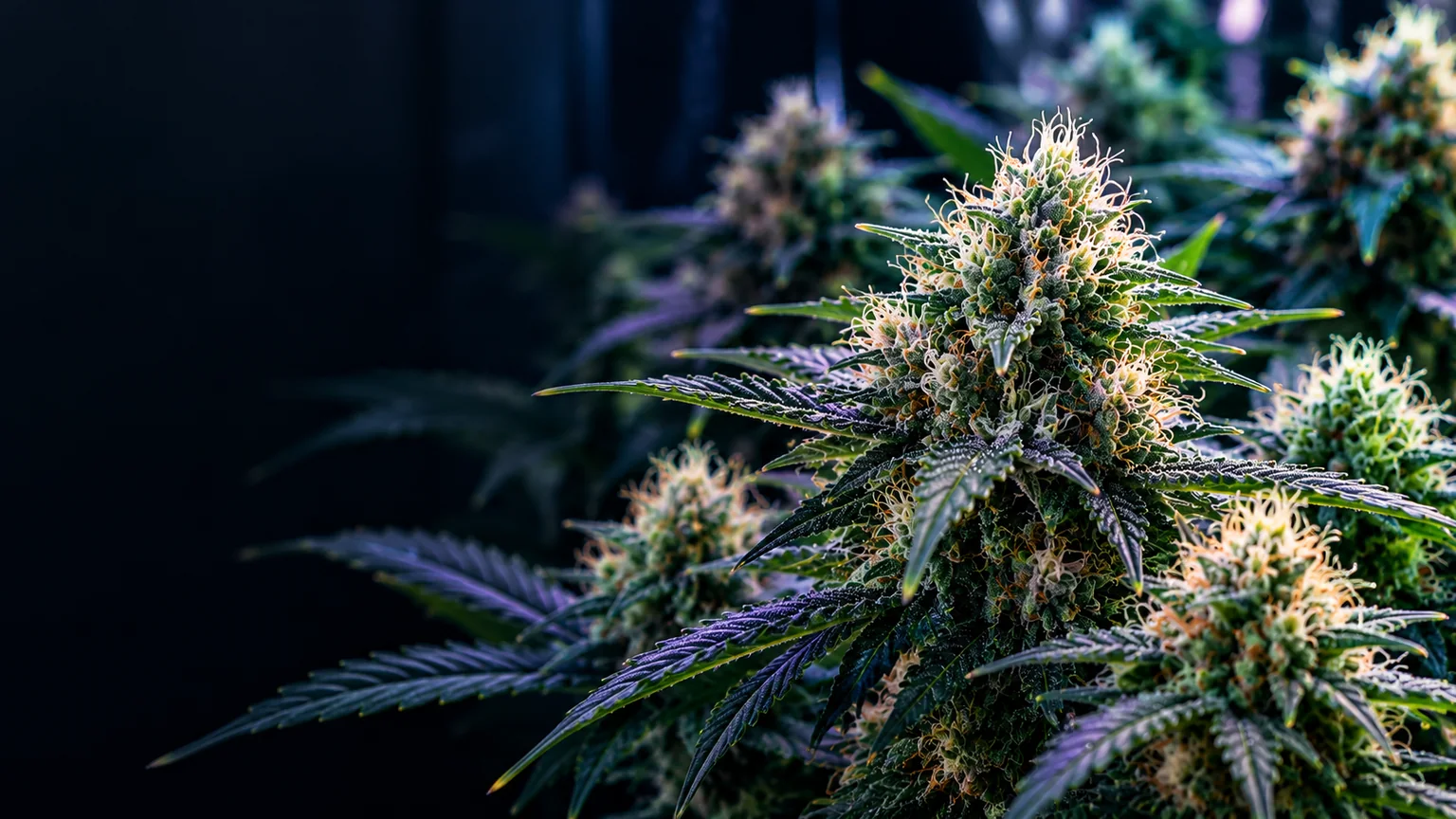
Flowering Week 5
Flowering week five may show fuller resinous buds and changing pistils: compare actual flowers, inspect airflow, assess trichomes in context and avoid premature harvest or unsupported mandatory flushing.
FLOWERING WEEK 5 / FIELD NOTES
Flower swelling, resin and a more careful harvest outlook
More visible resin, darkening stigmas and substantial buds may appear during this period, but none of them sets a universal harvest date. Compare the flower clusters, plant condition and cultivar behavior before making late-flowering decisions.
- 01Bud structure
Follow actual swelling and continuing flower growth.
- 02Resin inspection
Look at flower trichomes, not a lone sugar leaf.
- 03Air and support
Keep heavier flowers dry and inspectable.
- 04Feeding choices
Do not assume a mandatory harvest flush.
IN THIS GROW
A short-flowering cultivar in the grow journal
The original grow described an Afghan line expected to mature comparatively quickly and used the color of stigmas and trichomes as cues. That was the grower's observation and expectation, not a guaranteed six-to-seven-week rule for all plants. This chapter separates those observations from broadly applicable advice.

Marijuana plants in Flowering Week 5 are showing signs of getting close to being done. The pistols are turning amber and the thc trichomes are starting to fade from clear to opaque. This afghan strain take 6-7 weeks to harvest, so I know that in the next week I will need to beging flushing the plants to get rid of chemicals and nutrients, leaving only full flavor fruity buds.
01 / MATURING FLOWERS
Keep tracking flower development
Flower bracts may continue swelling while fresh stigmas appear alongside older, darker ones. A few orange hairs are not a finish line: pigment can change with age, contact and environment. Compare several flowers and the overall pace of new growth rather than interpreting one photographed bud as representative.
02 / TRICHOME OBSERVATIONS
Use a magnifier in context
Glandular trichomes change as flowers develop, but stage and harvest timing cannot be settled from the calendar or a single sugar-leaf close-up. Inspect actual flower surfaces at several sites over time, and consider the cultivar's known flowering behavior. Avoid claiming a fixed clear, cloudy or amber percentage guarantees potency, safety or a preferred effect.
03 / AIR AND FLOWER HEALTH
Inspect dense colas for gray mold
As flowers thicken, their interiors can hold humid air. Ensure reliable ventilation, avoid wetting the colas, support sagging branches and examine any unusual gray-brown patches. Do not attempt to trim visibly moldy material into a usable product. Keep damaged or suspicious flowers separate from healthy plant material.
04 / FLUSHING AND FERTILIZER
A final flush is not a universal chemical-removal requirement
Withholding mineral nutrients near harvest is a grower practice, not a proven way to wash chemicals already inside flowers out of the plant. Controlled research across several cannabis cultivars found generally small effects on yield and cannabinoid or terpene chemistry; outcomes differed in some samples, so avoid sweeping promises either way. Manage water, root-zone EC and plant health based on the actual setup. The older flushing notes describe a historical approach, not a requirement to start on week five.
The panel below preserves FoxFarm's soil-schedule week 9 reference. It does not specify the nutrient mix for the historical hydroponic grow, and its EC figures are not universal targets.
View the Week 5 feeding referenceGrow stage instrument panel
Flowering week 5
A field-friendly reference that pairs this stage with the current FoxFarm soil schedule. Scale the recipe to your actual watering volume with the calculator instead of doing the math in the grow room.
StageFlowering · 5TWS week-by-week grow path
ScheduleFoxFarm week 9Reference mapping
Light12 hManufacturer schedule
Big Bloom3 tsp/galFoxFarm soil schedule · week 9
Grow Big1 tsp/galFoxFarm soil schedule · week 9
Tiger Bloom2 tsp/galFoxFarm soil schedule · week 9
Cal-Mag1 tsp/galFoxFarm soil schedule · week 9
EC target3.00-3.40Manufacturer schedule
700 PPM2100-2380Manufacturer schedule
Schedule values are a reference to the current FoxFarm soil chart, not a universal prescription for every cultivar, medium or environment.
OBSERVATION CHECKLIST
Compare the same flower sites
Fresh versus older stigmas
Notice whether new flower tissue is still developing.
Trichomes on flowers
Look across several buds; avoid sugar-leaf-only judgments.
Dense interior buds
Look for damp pockets and damaged or gray tissue.
Root-zone condition
Assess reservoir or runoff readings and uptake trends.
WHAT COMES NEXT
Flowering Week 6 is another observation point
Some cultivars will approach maturity sooner than others. Do not schedule harvest or nutrient withdrawal from the numbered week alone.
- Use several flower sites when comparing progress.
- Keep the uninterrupted dark period consistent.
- Protect increasingly dense flowers from moisture and mold.
- Make late feeding choices from evidence, not fixed folklore.
Research: University of Saskatchewan — Flowering; Saloner, Sade & Bernstein (2024) — flushing study.