
 Video · YouTubeVegetative Week 2Watch the original video on YouTube.Cannabis videos may require YouTube age verification.Watch on YouTube ↗
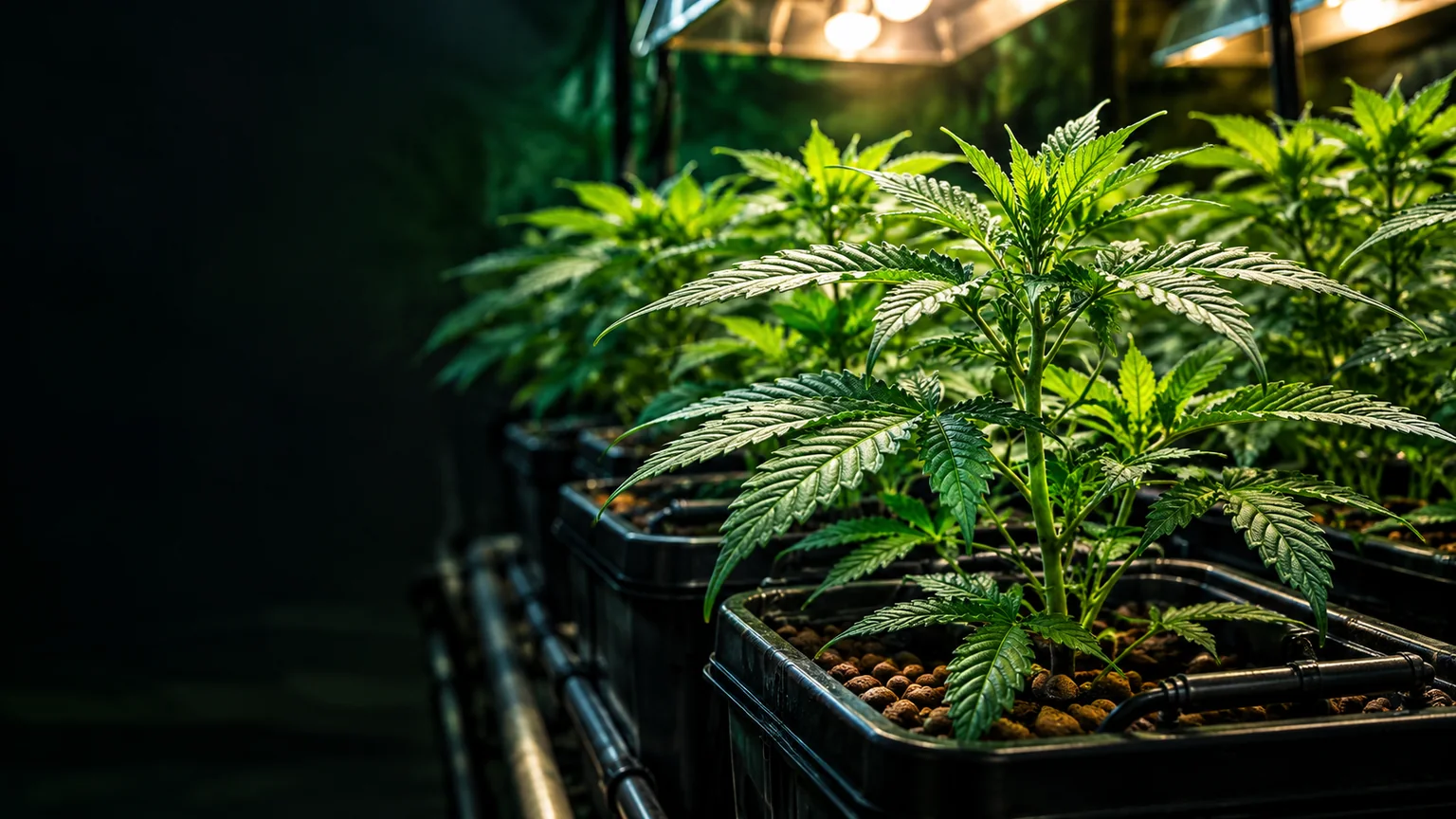
Vegetative Week 2
Week two of vegetative growth: follow the plant's developing structure and compare the original grow journal with the next stage.
VEGETATIVE WEEK 2 / FIELD NOTES
Early momentum and emerging structure
Week two connects the freshly rooted stage with the more developed branching seen later. The useful story is visible in new leaf pairs, the growing tips and the way each plant responds to its environment.
- 01New foliage
Fresh leaves show the direction of growth.
- 02Root zone
Water and oxygen both influence uptake.
- 03Light
Canopy exposure affects plant structure.
- 04Observation
Compare changes over several days.
IN THIS GROW
Inside the Week 2 grow journal
The grower's Week 2 note describes a relatively quiet period after the rooted clones began receiving nutrients. The original grow video below offers a view of the setup.
GROW JOURNAL
The Vegetative Week 2 growth stage is slow as the marijuana clones have just been receiving feeding nutrients for only a week, so the plants are not at the "fast grow" stage of their life.
01 / PLANT STRUCTURE
What new leaves reveal
New leaf pairs and developing nodes offer a clearer picture of recent development than the older foliage alone. Some newly transferred plants appear to progress slowly at first. Growth rate varies with cultivar, root development and the growing environment, so a calendar week is not a universal measure of plant maturity.
02 / ROOT SYSTEM
Root-zone conditions and visible response
Vegetative development involves both above-ground growth and an expanding root system. Moisture, oxygen and the growing medium affect how well that system functions. Persistently wilted foliage, changes in water use or unusual discoloration can have several possible causes and should not be attributed to fertilizer alone.
03 / LIGHT & ENVIRONMENT
Photoperiod is not the same as light intensity
An 18-hour light and 6-hour dark cycle is common during vegetative growth and is the reference shown in the FoxFarm schedule below. That schedule does not establish which lights or hours were used in this original Week 2 journal. Canopy growth also reflects the light reaching the leaves, room temperature and air movement.
04 / NUTRIENT CONTEXT
Read the feeding chart as a reference
The FoxFarm panel below reproduces the manufacturer's soil-feed reference for the second week. It is not a universal hydroponic formula and does not establish what was used in this particular grow. Compare any feeding schedule with the medium, water and measurements for the system being used.
View the week-two chartGrow stage instrument panel
Vegetative week 2
A field-friendly reference that pairs this stage with the current FoxFarm soil schedule. Scale the recipe to your actual watering volume with the calculator instead of doing the math in the grow room.
StageVegetative · 2TWS week-by-week grow path
ScheduleFoxFarm week 2Reference mapping
Light18 hManufacturer schedule
Big Bloom6 tsp/galFoxFarm soil schedule · week 2
Grow Big1 tsp/galFoxFarm soil schedule · week 2
Tiger Bloom—FoxFarm soil schedule · week 2
Cal-Mag1 tsp/galFoxFarm soil schedule · week 2
EC target1.70-2.10Manufacturer schedule
700 PPM1190-1470Manufacturer schedule
Schedule values are a reference to the current FoxFarm soil chart, not a universal prescription for every cultivar, medium or environment.
OBSERVATION CHECKLIST
Four signs to compare this week
Growing tips
Fresh leaves emerging and gradually opening.
Node development
More visible stem structure beneath newer foliage.
Leaf condition
Changes in posture or color that persist rather than fluctuate briefly.
Canopy pattern
Differences between plants or room positions that might warrant comparison.
NEXT STAGE
From Week 2 to Week 3
The week number is a convenient journal marker, not a deadline for every plant.
- New leaves and nodes offer signs of continuing development.
- The root zone supports reasonably consistent foliage condition.
- Canopy structure is becoming easier to assess.
- Compare changes over time instead of relying on a single day's appearance.
Reference: University of Saskatchewan — Vegetative Growth.