The Weed Scene · Candy kitchen
Cannabis-Infused Lollipops
Glossy citrus hard candy made with cannabis tincture. Watch two thermometer readings, then use your batch count to estimate THC per pop.

The candy thermometer
Two temperatures matter
Cook the syrup to hard crack, then let it cool before the flavor and tincture go in.
- 300°F
- Hard crack at sea level
- About 250°F
- Off-heat mixing point
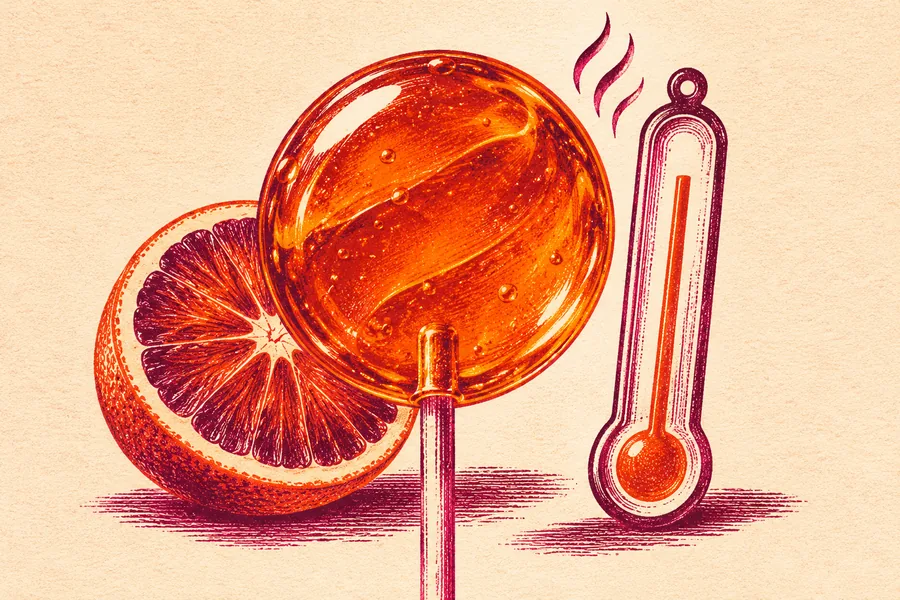
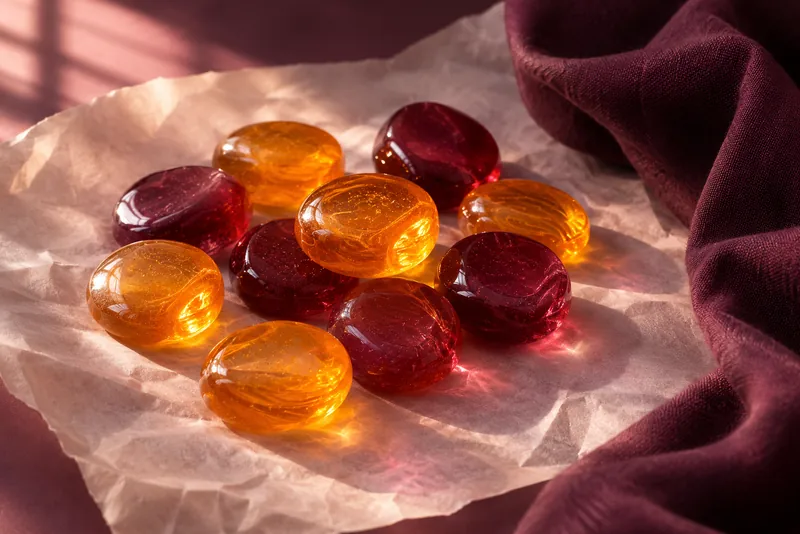
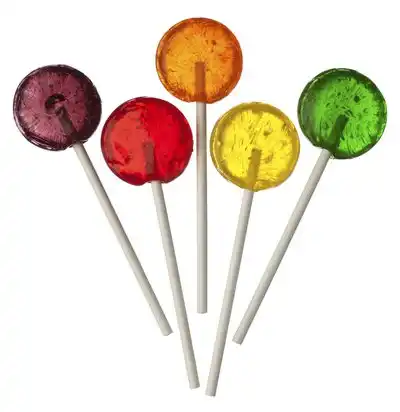
Citrus cannabis lollipops
Lemon or orange flavor brightens this clear, snappy hard candy. Set up the molds and measure everything before the syrup goes on the stove.
- Prep
- About 5 minutes
- Cook
- About 10 minutes
- Set
- About 15–20 minutes
- Yield
- About 20 small lollipops
Timing and yield are estimates. Corinne Tobias’s version of this tincture method reports about 35 minutes and 20 lollipops. Your stove and molds will affect the result. Count the pieces you actually make before estimating THC per piece. See the Wake + Bake method.
Ingredients
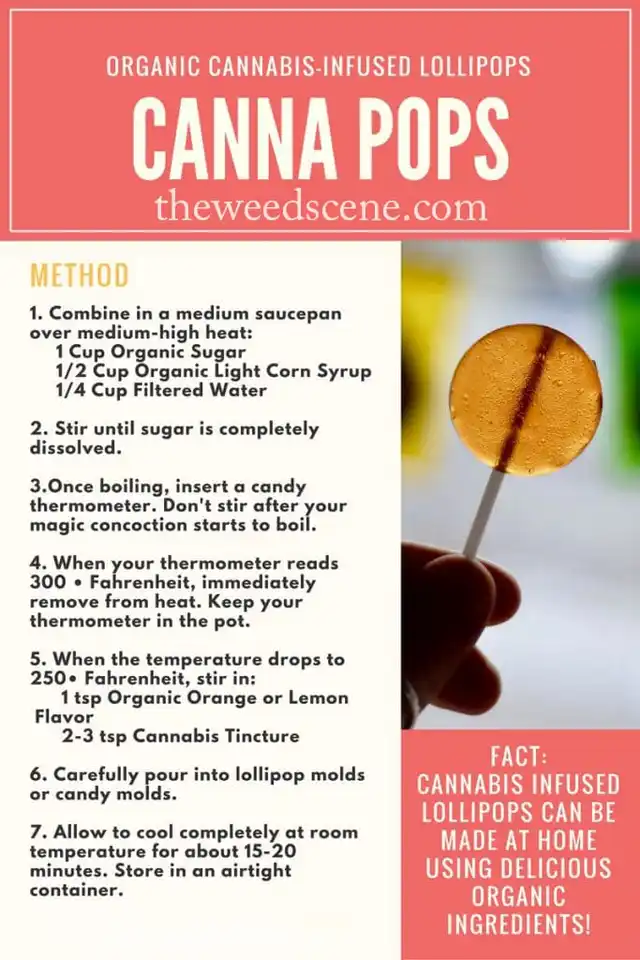
- 1 cup granulated sugar
- ½ cup light corn syrup
- ¼ cup water
- 1 teaspoon orange or lemon candy flavoring (check the label for concentrated flavors)
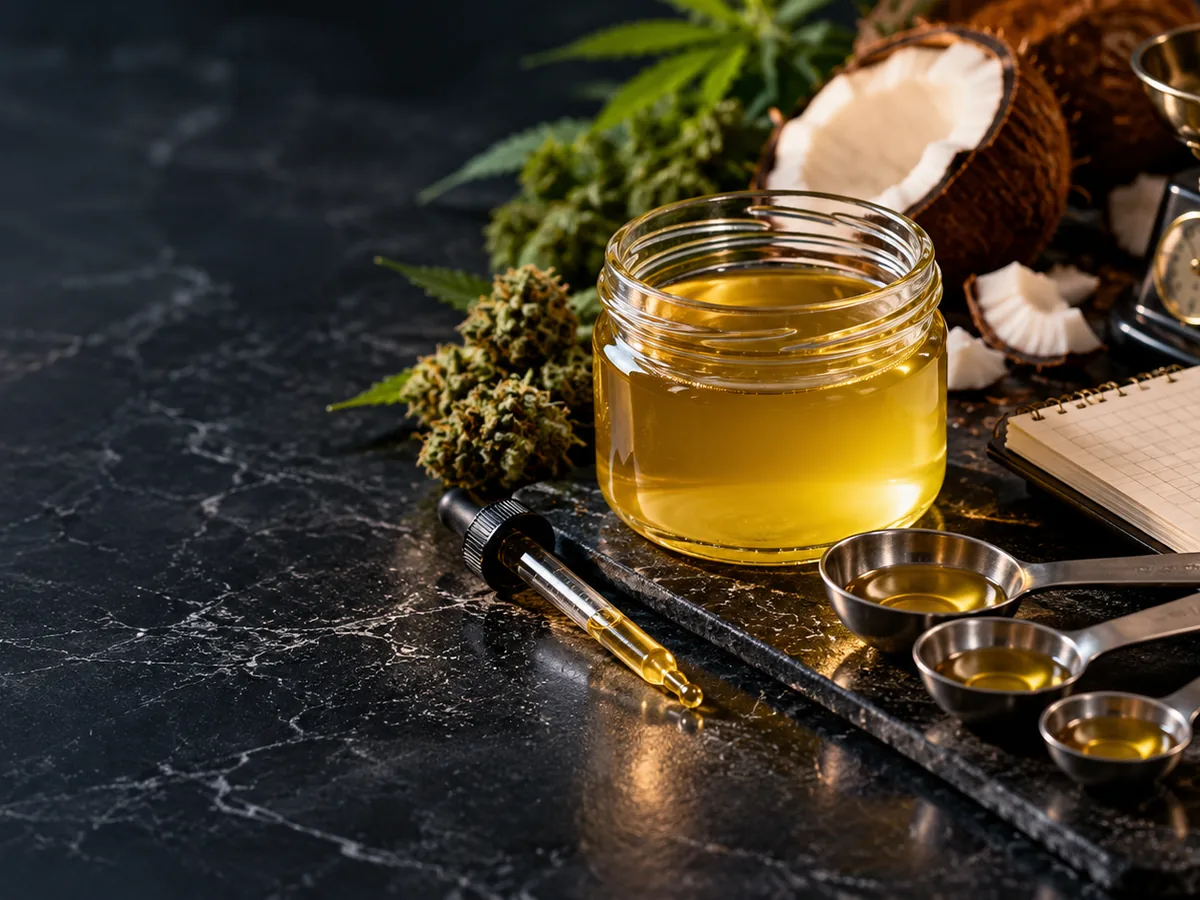
- 2–3 teaspoons cannabis tincture intended for oral use (about 10–15 mL)
Equipment
- Heavy medium saucepan and clip-on candy thermometer
- Measuring cups and spoons, plus a heatproof spoon
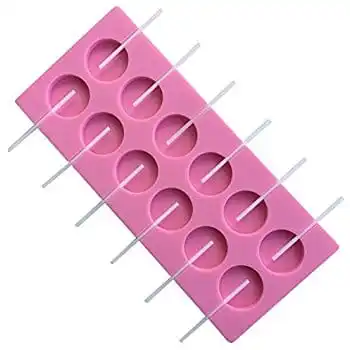
- Heat-rated hard candy molds and lollipop sticks
- Baking sheet, heatproof trivet and oven mitts
Instructions
-
Set up the molds
Wash your hands and clean the work surface and tools. Place clean, dry molds rated for hard candy on a baking sheet and fit the sticks into their channels. Measure the flavoring and tincture into separate containers and set a heatproof trivet away from the stove.
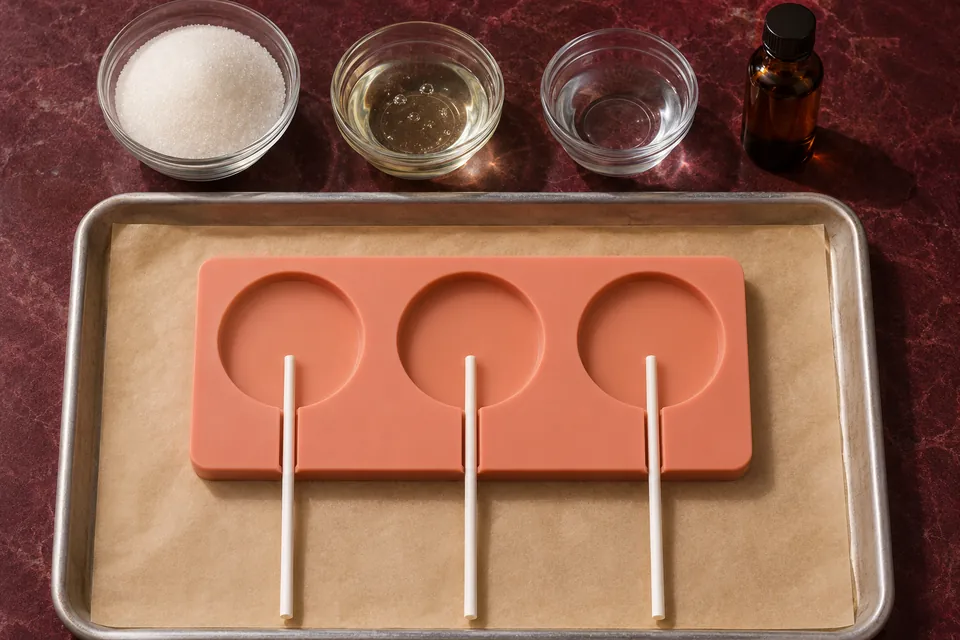
Set the sticks and measure the additions before you heat the sugar. -
Cook the syrup to hard crack
Combine the sugar, corn syrup and water in the saucepan. Stir over medium-high heat just until the sugar dissolves. Clip on the thermometer with its tip in the syrup and clear of the pan bottom. Once the syrup boils, stop stirring. At 300°F (149°C) at sea level, take the pan off the heat immediately. Keep the thermometer in the syrup.
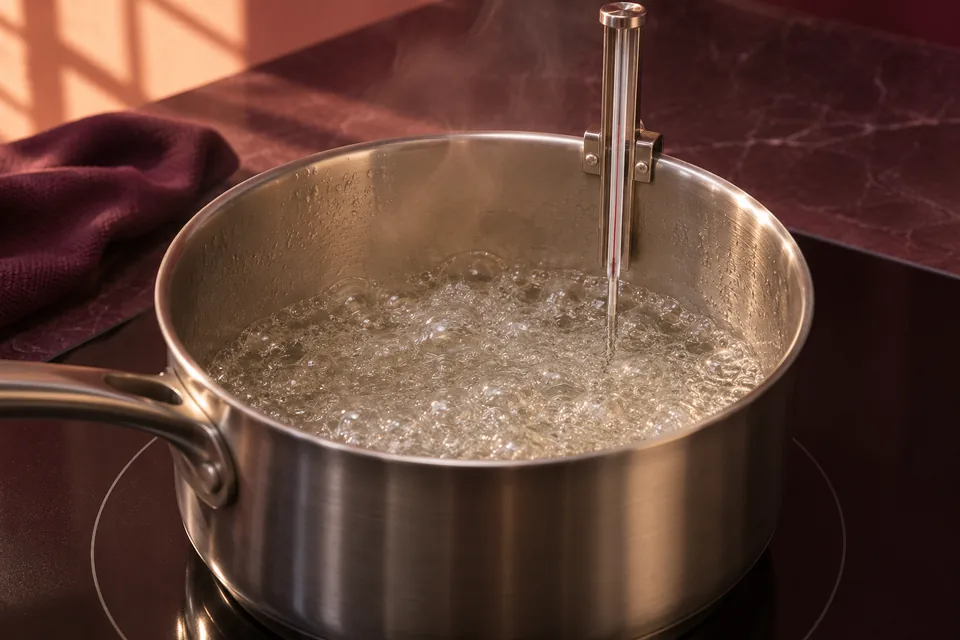
The sea-level target is 300°F (149°C). Watch the thermometer as the syrup approaches hard crack. -
Add the flavor and tincture off the heat
Set the pan on the trivet away from burners, pilot lights and other ignition sources. When the syrup cools to about 250°F (121°C), carefully stir in the measured flavoring and tincture. Keep your face and hands clear of steam and splatter. Alcohol vapor can still ignite at 250°F, even with the burner off. That temperature also gives no reliable measure of how much THC the candy retains.
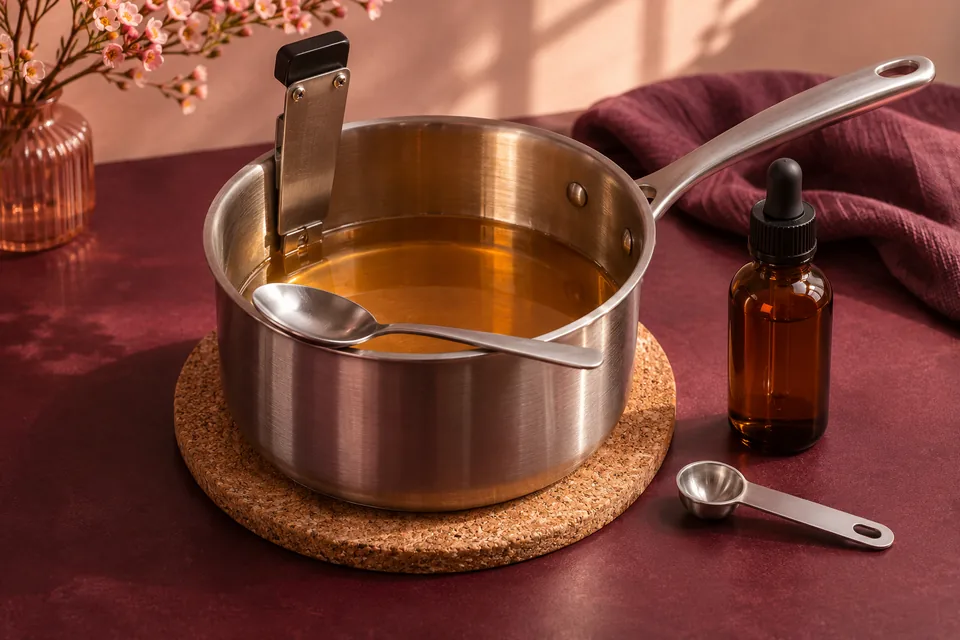
Add the measured flavor and tincture off the heat at about 250°F (121°C). -
Fill the molds and let the candy set
Carefully pour the hot syrup into the prepared molds. Fill equal-size cavities to the same level and cover the ends of the sticks. Leave the molds undisturbed at room temperature for about 15–20 minutes, or until the candy is completely cool and hard. Unmold and count the pieces.
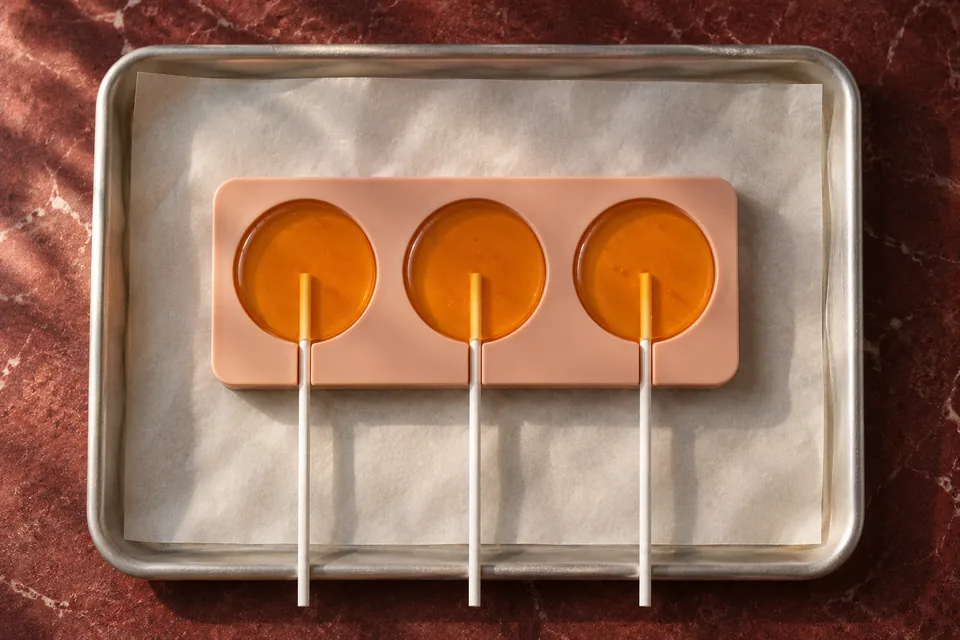
Let the filled molds cool completely before unmolding.
Estimate THC per lollipop
Use the THC strength on the tincture label, the volume you added, and the number of lollipops you made.
The math mg THC per mL × mL added ÷ finished lollipops.
This estimate assumes the label is accurate, all the THC makes it into the batch, and the THC is evenly spread among equal-sized pieces. Heat, leftover syrup, and uneven mixing can change the amount in each pop. If the tincture’s potency is unknown, the recipe can’t determine it. The result is a batch average estimate, not a measured amount or a safe dose.
Label and lock up the batch
Once the lollipops are cool, wrap them individually and label them Contains THC · Adults only. Keep them in an airtight, child-resistant container in a cool, dry place. Lock it away from ordinary food and out of sight and reach of children and pets.
Edible effects can start after 30 minutes to 2 hours and take up to 4 hours to reach full strength. Avoid taking more while effects are still developing. THC can vary from piece to piece, even within one batch.
If someone may have eaten one by accident, contact your local poison center promptly. In the U.S., call 1-800-222-1222. Call emergency services for trouble breathing or if the person cannot be awakened. Contact a veterinarian promptly if a pet may have eaten one.
Lollipop questions
What temperature makes lollipops hard?
For this recipe, take the syrup off the heat when it reaches hard crack at 300°F (149°C) at sea level. Colorado State University Extension recommends lowering candy finish temperatures by about 2°F per 1,000 feet of elevation.
Why are my lollipops sticky?
Syrup that falls short of hard crack may retain too much water. Finished candy can also pull moisture from humid air. Check your thermometer, let the pops cool fully, then wrap them and store them in a cool, dry place.
How much THC is in each lollipop?
Use the tincture’s labeled THC per milliliter, the amount you added and the number of pieces you made. That gives a batch average under the assumptions of full retention and equal distribution. The THC in an individual pop can differ because of heating, pan residue, mixing and uneven fills.
Can I use infused oil instead of tincture?
This formula uses tincture. A different carrier can change how the syrup sets or mixes. For a different method, see the lollipop recipe made with infused corn syrup.
Can I make hard candies without sticks?
Yes. Use smaller molds rated for hard candy and skip the sticks. Count the actual pieces you make so the potency estimate reflects your batch.
Read more about hard candy technique, candy at high elevation, kitchen hygiene, ethanol flammability, edible effects and poisoning, the timing of edible effects and safe cannabis storage.
The candy kitchen
More ways to make hard candy