

Give the seed moisture, oxygen and steady warmth.
Choose a method you can monitor.
Direct sowing in starter medium
Moist paper towel
Brief water soak
What happens after the seed opens?
- Prepare the space.Check local cultivation rules. Choose viable seeds, clean tools, a draining starter medium and a place where temperature and light are manageable.
- Moisten and sow.Keep the medium lightly moist, not waterlogged. Handle seeds with clean hands or tools and avoid compacting the medium tightly.
- Watch for the root.The first white root grows downward. Be patient: germination speed varies with seed viability, conditions and genetics.
- Provide light when green growth emerges.Cotyledons open, followed by true leaves. Adjust suitable grow lighting to avoid stretched, weak seedlings while avoiding excess heat.
- Establish healthy early growth.Maintain drainage and ventilation; monitor for pale stems, excessive moisture and signs of disease before moving into the vegetative stage.
If nothing sprouts, check conditions before disturbing the seed.
No visible sprout
Stretched, thin seedling
Soft stem at the soil line
Seed coat still attached
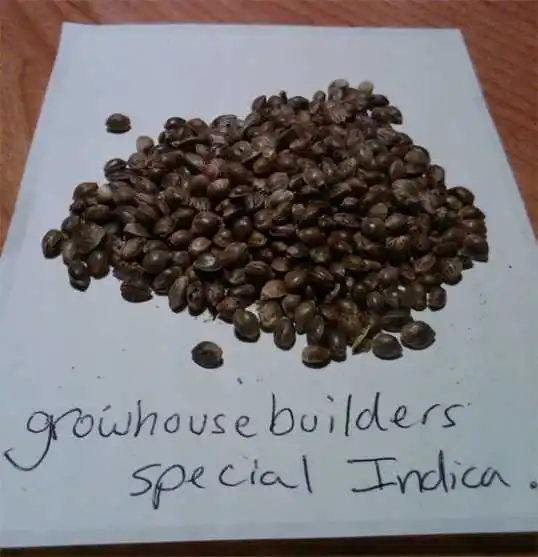
From the first root to the first true leaves.
Seed-starting references
Seed germination begins when a viable seed absorbs water and the root emerges. Start with clean media, suitable warmth and steady moisture. Clones are another way to propagate an existing plant: Related reading: clones.
Watch germination in action
Video · YouTubeCannabis Seed GerminationWatch the original video on YouTube.Cannabis videos may require YouTube age verification.Watch on YouTube ↗Seeds and clones have different uses. A clone starts from a cutting of an existing plant, while seeds grow into new individuals. Neither approach is inherently right for every space or variety. When selecting plants for future propagation, pay attention to health and known genetics. Starting from seed creates an opportunity to observe new individuals; cuttings reproduce an established plant's genetics. Related reading: mother plants.
What happens inside a germinating seed
Water uptake restarts a seed's metabolism. Stored nutrients support early growth, then the radicle emerges through the seed coat and the shoot brings cotyledons toward light. Seeds need oxygen as well as moisture, so keep growing media damp rather than submerged. Germination and seedling establishment vary with viability and growing conditions. Avoid digging up a seed repeatedly to check progress.