
CBD is cannabidiol, one of the cannabinoids found in cannabis. “Does it work?” needs a more specific question: which product, for what purpose, and supported by what evidence? A prescription cannabidiol medicine has specific approved uses. That does not make every CBD oil or edible an effective treatment.
Start with the terms
CBD is an ingredient, not a single product
CBD and THC
CBD does not produce the typical THC high. That is different from being harmless or having no effect on the brain. CBD can cause drowsiness and other adverse effects; a CBD-labeled product can also contain intoxicating THC.
Hemp and hemp seed oil
Hemp is not a guarantee of a THC-free product. Hemp seed oil is a seed-derived ingredient, not another name for a CBD-rich extract. Read the actual ingredients rather than inferring cannabinoid content from a leaf image or the word hemp.
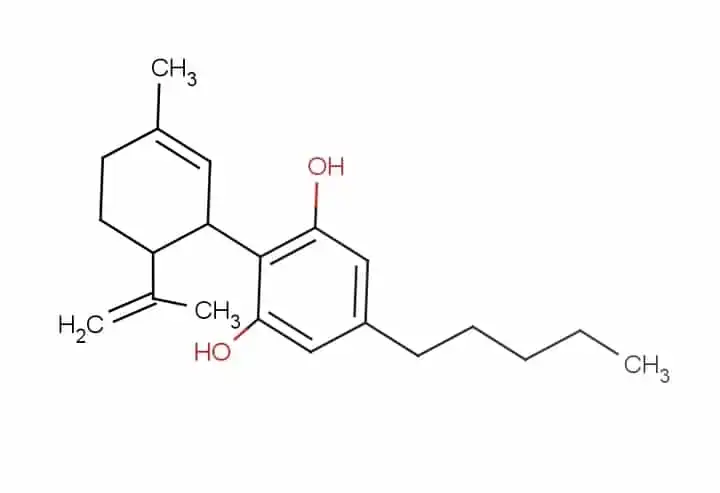
Products differ in ingredients, formulation and route of use. The guide to different forms of CBD compares formats. Here, the central question is what a label or claim actually establishes.
What does “works” mean?
A change in a laboratory experiment, a person’s testimonial and a demonstrated clinical benefit are not interchangeable. Define the outcome first, then ask whether research studied the same formulation and a relevant group of people.
In the United States, FDA-approved EPIDIOLEX is a prescription cannabidiol oral solution for seizures associated with Lennox-Gastaut syndrome, Dravet syndrome or tuberous sclerosis complex in patients aged one year and older. Its approval does not extend to retail products or every possible use of CBD. The science guide explains how to read those distinctions.
Prepare before deciding
Build a short CBD question list
Select what you want to understand. The list helps you ask a seller, clinician, pharmacist or testing authority a more precise question. It does not recommend a product or check whether it is safe for you. Your selections stay in this page; nothing is sent or saved.
Questions about the label
- What are all the ingredients, including CBD and THC information?
- Does any test report match this product and batch?
- Is the quantity described per serving or for the whole package?
A label or test report does not establish personal suitability or a medical benefit.
Questions about a claim
- What exact benefit is being claimed?
- Was the same product studied in people, and compared with what?
- What outcomes, adverse effects and limitations were reported?
A testimonial or an unrelated study does not answer those questions.
Questions for a clinician or pharmacist
- Could this product interact with my medicines or supplements?
- What adverse effects or monitoring issues should we discuss?
- How does the evidence compare with established options for my goal?
Bring the package or a clear label copy. Do not stop prescribed treatment to try CBD on your own.
Questions for the testing authority
- Which program and written policy apply?
- What is its medical-review process?
- Who can explain the rules for my role or requirement?
Do not treat “THC-free” as a negative-test guarantee. Read the CBD and drug-testing guide.
Natural does not mean risk-free
FDA identifies risks including liver injury, interactions with other medicines, and changes in alertness such as drowsiness. These risks can matter even when a product does not cause a THC-like high. Product composition and quality add further uncertainty.
Discuss individual health questions with a qualified clinician or pharmacist, especially when taking medicines. Follow the instructions for a prescribed medicine rather than applying advice about retail CBD to it. Keep cannabis products secured away from children and pets.
Quick answers
Is CBD the same as THC?
No. Cannabidiol (CBD) and tetrahydrocannabinol (THC) are different cannabinoids. CBD does not produce the typical THC high, but it can cause adverse effects, and a product sold as CBD may contain THC.
Is every CBD product an approved medicine?
No. U.S. FDA approval of EPIDIOLEX applies to that prescription cannabidiol medicine and its specified seizure indications. It does not extend to retail CBD oils, foods, cosmetics or other products.
Does hemp seed oil mean a product contains CBD?
Not necessarily. Hemp seed oil is made from the seeds and is different from a cannabinoid extract. The ingredient name alone does not establish a meaningful CBD content; read the specific product information.
Can CBD replace my prescribed treatment?
Do not replace or stop prescribed treatment on the basis of a CBD claim. A clinician or pharmacist can discuss the evidence, possible interactions and risks for the exact product and your circumstances.
Sources & further reading
- FDA: CBD safety and unanswered questions
- FDA: cannabis products, hemp seed ingredients and approval
- FDA: EPIDIOLEX prescribing information, May 2026
Reviewed November 9, 2026. General adult information, not individual medical, employment or legal advice.