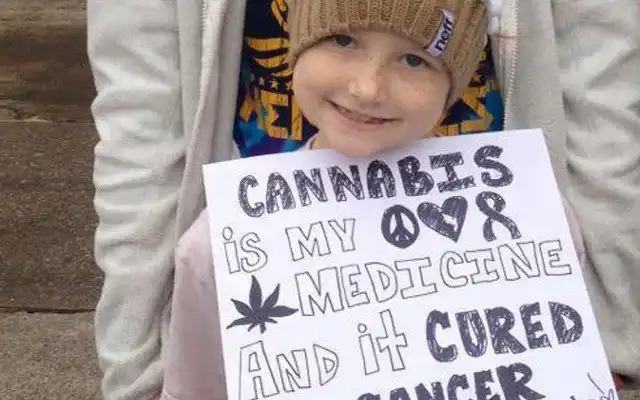
Historical claims corrected: An earlier version of this article presented cannabis oil as a proven or recommended treatment for multiple cancers. Those claims were not supported by adequate clinical evidence and have been withdrawn. This page now distinguishes preliminary research from established care.
Can cannabis oil treat or cure cancer?
There is not sufficient clinical evidence that cannabis oil cures, shrinks or treats cancer in people. Laboratory and animal experiments have reported effects of certain cannabinoids on tumor cells, but those findings do not establish a safe or effective cancer treatment for patients. The U.S. Food and Drug Administration has not approved cannabis or cannabinoids to treat cancer.
The National Cancer Institute's patient evidence summary describes what has and has not been established. It should not be interpreted as support for replacing surgery, radiation, chemotherapy, immunotherapy or other oncology care with cannabis oil.
What about chemotherapy side effects?
That is a separate question from treating tumors. Certain prescription cannabinoid medications, including dronabinol and nabilone, are approved for chemotherapy-associated nausea and vomiting in specific circumstances. Those products and clinical findings do not demonstrate that homemade or commercially marketed cannabis oils treat cancer.
For the distinction between symptom relief and cancer treatment, see the National Cancer Institute's health-professional evidence review.
What are the risks?
THC can impair attention and coordination and can cause unwanted psychological effects. CBD and concentrated cannabinoid products may interact with prescription medications through drug-metabolizing enzymes. Cannabis products differ in strength and purity; unregulated extracts are not interchangeable with approved prescription medicines. Discuss any intended product with the oncology and pharmacy teams before use.
How should patients evaluate a claim?
- Ask whether the evidence comes from human clinical trials measuring tumor response or survival, rather than cell cultures, animals or personal stories.
- Separate possible symptom-management benefits from claims to kill cancer cells or replace standard treatment.
- Review possible interactions with anticancer medications, sedatives and other prescriptions with qualified treating professionals.
- Ask the oncology team about evidence-based symptom care and appropriately supervised clinical trials.
About this historical article
The original archive image and URL remain for historical continuity. This evidence-based correction replaces unsupported therapeutic statements that appeared in the earlier article. It does not constitute individualized medical advice. For decisions about treatment or symptom management, consult the treating oncology team.
Primary sources: NCI patient summary and NCI professional review.