
THE FORMAT GUIDE / 01
Same compound. Different product.
A CBD oil, gummy, skin cream and vape are not interchangeable. The format changes how a product is used, what its label can tell you and which safety questions matter. Start with the route of use and the actual ingredients—not a marketing promise.
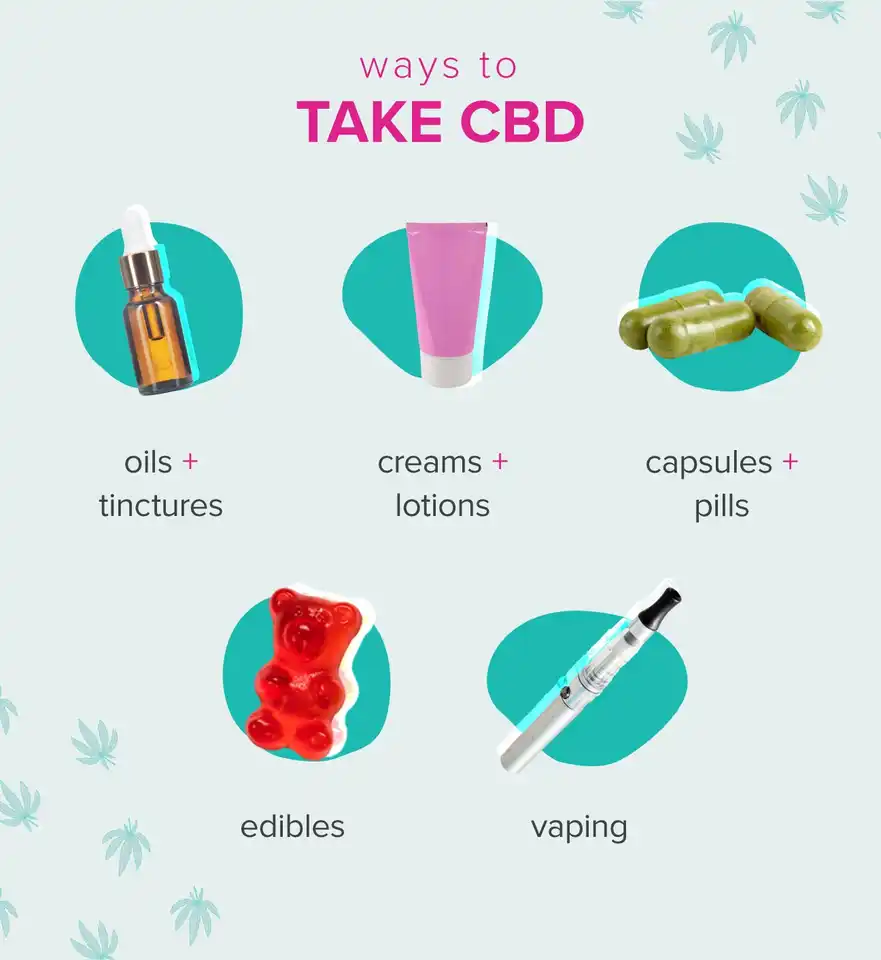
Oils and tinctures are liquid preparations; capsules and gummies are swallowed; topicals are applied to the skin; inhaled products reach the lungs. None of these categories automatically guarantees purity, effectiveness, a specific dose or freedom from THC.
02 / FIND THE RIGHT INFORMATION
Compare the product, not just the CBD.
| Format | How it is used | What deserves attention |
|---|---|---|
| Drops & tinctures | Liquid measured from a dropper; swallowed or held in the mouth according to the label | CBD per mL, carrier ingredients, THC content and how the dropper is calibrated |
| Capsules & softgels | Swallowed as a premeasured product | Milligrams per capsule, inactive ingredients and the time it takes for oral products to be absorbed |
| Gummies & food | Swallowed with or without other food | CBD and possible THC per serving, delayed effects, sugar/other ingredients and child-resistant storage |
| Creams & balms | Applied to the skin as directed | Full ingredient list, irritation potential and whether the product makes unsupported treatment claims |
| Mouth sprays | Sprayed in the mouth according to its intended labeling | Concentration per spray, other active ingredients and whether it is swallowed or used in the mouth |
| Flower & inhaled extracts | Inhaled smoke or aerosol | Lung exposure, unknown additives/contaminants and possible THC; inhalation is not a risk-free shortcut |
These are format descriptions, not medical recommendations. Rules for sale and permitted product claims vary by jurisdiction.
03 / SIX WAYS PRODUCTS ARE PRESENTED
What changes between the forms?
CBD oils and tinctures
A dropper bottle describes packaging, not a guaranteed composition. Some liquids contain CBD in carrier oil; others use alcohol or other ingredients. Concentration should be stated per mL or other measurable unit.
Ask: Is the amount shown per drop, full dropper or mL?
Capsules and softgels
These may simplify measuring what a label claims per capsule. They still pass through digestion and are not equivalent to pharmaceutical quality control or an independently measured dose.
Ask: How many mg are claimed in each capsule, and is a matching lab report available?
Gummies and foods
CBD is mixed into edible ingredients. Effects and absorption vary, and any THC in the product can produce delayed intoxication. Store these products securely away from children and pets.
Ask: Does the label report CBD and THC separately for each serving?
Balms, lotions and salves
A topical is applied to the skin. Products differ in CBD concentration and accompanying ingredients. Clinical evidence for many advertised pain or anti-inflammatory claims remains limited.
Ask: Is this intended only for intact skin, and which other ingredients could irritate it?
Oral and sublingual sprays
Sprays vary in their solvents, per-spray volume and instructions. Holding a liquid in the mouth does not make all sprays behave alike; swallowed portions are absorbed differently.
Ask: What is listed per spray, and how is the product intended to be used?
Flower and vapor products
Smoking exposes lungs to combustion products. Vaping introduces aerosol and possible additives; it is not established as harmless, even when a product is described as high-CBD. Avoid unverified cartridges or improvised extracts.
Ask: What is inhaled besides the claimed cannabinoid—and what is unknown?
04 / READ THE WORDS CAREFULLY
Isolate, broad spectrum and full spectrum are different claims.
CBD isolate
Usually describes CBD separated from other cannabis constituents. A claim of purity still requires testing.
Broad spectrum
A commercial term for multiple cannabis compounds, often marketed with reduced or nondetectable THC. Definitions and testing thresholds differ.
Full spectrum
Usually indicates a broader mix of plant constituents and may include THC. The words alone do not prove a medical “entourage” benefit.
Hemp-derived is a source description, not a CBD-strength label. Two products with the same packaging or spectrum wording can have very different CBD and THC content. Test results matter more than strain names or packaging promises.
05 / BEFORE YOU TRUST THE BOTTLE
Five checks that beat the front label.
- Read the active ingredient amount. Check total CBD in the package versus CBD per serving or per mL. Those numbers are not interchangeable.
- Look for THC separately. “Hemp,” “broad spectrum” or “non-intoxicating” is not a guarantee of zero THC or a negative drug test.
- Match a batch-specific report. A certificate of analysis should identify the batch and show cannabinoids and relevant contaminant tests; a QR code alone proves little.
- Scan all other ingredients. Carrier oils, flavorings, solvents, fragrances, additives and allergens change the product.
- Question disease claims. A consumer CBD product advertised to treat cancer, anxiety, arthritis or other diseases needs evidence and the appropriate regulatory approval—not testimonials.
LABEL MATH / ILLUSTRATIVE ONLY
600 mg CBD in a 30 mL bottleThis simply translates the label’s claimed package amount into a concentration. It does not confirm the actual contents, establish a suitable serving or validate a health claim.
06 / REAL SAFETY QUESTIONS
CBD is not automatically risk-free.
Medicines and liver health. CBD can affect how other drugs work, may cause drowsiness, and can affect liver enzymes. Talk with a pharmacist or healthcare professional before using CBD with medications.
Pregnancy and breastfeeding. FDA advises avoiding CBD, THC and marijuana during pregnancy or breastfeeding.
Evidence and regulation. The FDA-approved prescription CBD medicine for certain seizure disorders is not equivalent to an over-the-counter CBD product; most consumer products are not approved to treat disease.
Inhalation and children. No CBD vape is proven to be harmless to lungs. Keep edible and liquid products away from children and pets, especially look-alike sweets.
Sources for these precautions
07 / COMMON QUESTIONS
Answers without the marketing.
- Is CBD oil the same as a tincture?
- Not necessarily. “Oil” usually describes CBD in a carrier oil; “tincture” historically refers to alcohol-based extracts, but commercial naming is inconsistent. Read the actual ingredients and concentration.
- Does “full spectrum” mean stronger?
- No. It describes a general category of constituents, not a specific CBD concentration, efficacy or product quality. Some products may contain THC.
- Can CBD topicals make someone high?
- Typical skin products are not intended to produce intoxication, but formulations and ingredients vary. Do not assume any product containing THC is non-intoxicating regardless of its composition or application.
- Can I trust a “THC-free” label?
- Not by itself. Examine batch-specific testing and detection limits. Contamination or misleading labels can matter for drug screening.
- Is a CBD vape safer than smoking?
- Neither route is risk-free. Smoking produces combustion byproducts; vaping can expose the lungs to aerosols and additives with uncertain long-term effects. Avoid claims that one delivery method is inherently harmless.