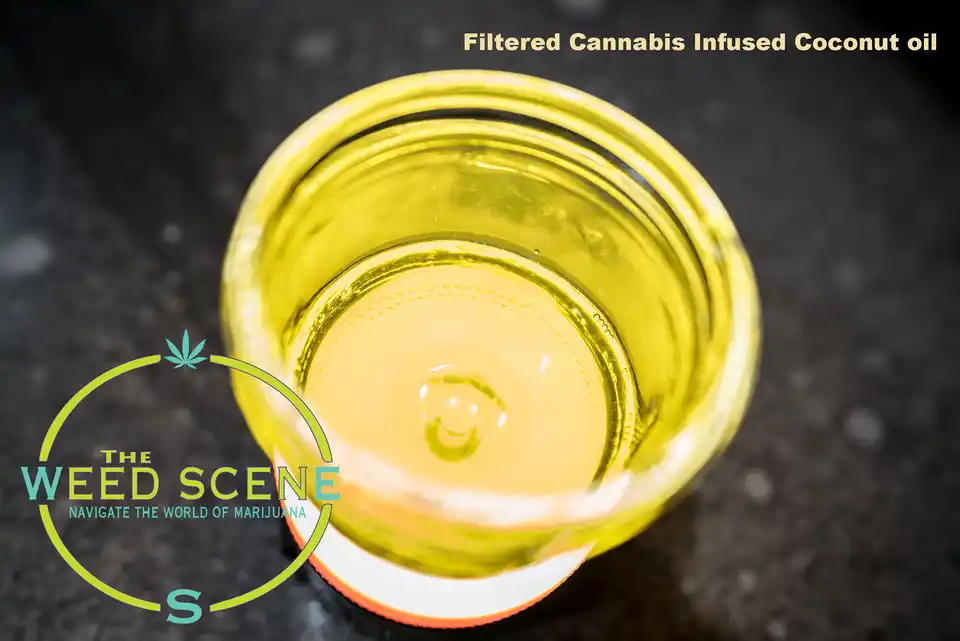
Cannabis infused coconut oil is one of the most versatile cannabis ingredients you can make at home. Using a crockpot allows you to slowly infuse decarboxylated cannabis into coconut oil, creating a potent base for edibles, capsules, gummies, baked goods, topicals, and other cannabis-infused recipes. This dairy-free, plant-based recipe is simple, effective, and beginner friendly.
Quick Answer: How To Make Cannabis Coconut Oil In A Crockpot
Making cannabis coconut oil in a crockpot is one of the easiest and most effective ways to create potent cannabis-infused oil at home. Simply decarboxylate your cannabis, combine it with coconut oil in a mason jar, place the jar in a water-filled crockpot, and cook at approximately 185°F for 4 hours.
| Question | Answer |
|---|---|
| Cook Time | 4 Hours |
| Temperature | 185°F (85°C) |
| Best Oil | Organic Virgin Coconut Oil |
| Cannabis Required | 7-28 Grams |
| Shelf Life | 3 Months Pantry / 1 Year Freezer |
| Difficulty | Easy |
Why Cannabis Coconut Oil Is Better Than Cannabutter
Cannabis coconut oil contains significantly more saturated fat than butter, making it highly effective at absorbing cannabinoids such as THC and CBD. Unlike traditional cannabutter, coconut oil is dairy-free, vegan-friendly, shelf stable, and can be used in recipes, capsules, lotions, balms, and other cannabis-infused products.
How Strong Will My Cannabis Coconut Oil Be?
If you're unsure how strong your finished oil will be, use our Cannabis Coconut Oil Potency Calculator and Cannabis Coconut Oil Dosage Guide for more accurate serving estimates.
The potency of your cannabis coconut oil depends on the amount of cannabis used, the THC percentage of the flower, and the amount of oil used during infusion.
Example Potency Calculation:
- 14 grams cannabis flower
- 20% THC
- 1 cup coconut oil
Approximate THC available:
14,000mg × 20% = 2,800mg THC
After extraction losses, expect approximately:
2,200mg–2,500mg THC per cup of oil.
That equals roughly:
- 140-160mg THC per tablespoon
- 45-55mg THC per teaspoon
Always start with a low dose and wait at least 2 hours before consuming more.
Cannabis Coconut Oil Dosage Chart
| THC Per Serving | Experience Level |
|---|---|
| 2.5mg | Beginner |
| 5mg | Light |
| 10mg | Moderate |
| 20mg | Experienced |
| 50mg+ | Very Strong |
Start low and wait at least 2 hours before increasing your dose.
Common Mistakes When Making Cannabis Coconut Oil
- Skipping decarboxylation before infusion.
- Allowing temperatures to exceed 300°F.
- Using too much cannabis for the amount of oil.
- Not stirring occasionally during cooking.
- Failing to strain plant material properly.
- Consuming too much before testing potency.
Avoiding these common mistakes will help maximize potency, improve flavor, and create a more consistent cannabis coconut oil every time.
Crockpot Cannabis Coconut Oil
Simple step-by-step recipe for making the best cannabis-infused, vegan, dairy-free, plant-based coconut oil using a crockpot (can also be made using other equipment) in the comfort of your own home that you can later use to make many different cannabis-infused edibles.
Timing and yield are approximate; actual results vary with equipment, ingredient temperature and portion size.
Ingredients
- 1/4 cup coconut oil
- 1/4 cup ground cannabis flower
- water
- crockpot
- 2 jars with lids
- filter (stocking, cheesecloth, paper filter..etc)
Instructions
- put the coconut oil into the jar.
- put the decarboxylated cannabis in the jar with the oil and put the lid on (does not have to be super tight), leaving at least a half inch of space between the cannabis and top of jar.
- fill crockpot with enough water to cover most of the jar.
- heat crockpot on high until water reaches 185°F.
- place the jar into the preheated water and place lid on crockpot.
- cook for 4 hours.
- carefully remove the jar and set aside to cool.
- while its cooling, place a filter inside a clean jar (I like to use stockings as they fit snug over the jar).
- once oil has been cooled, remove lid and pour into stocking, squeezing out as much of the oil as possible.
- If there are any pieces of plant matter in the oil, you can filter again to remove them.
- let cool, place lid on and store in a cool place.
Plant Based & Dairy-Free
Making cannabutter or cannabis oil is not as difficult as you may think. All you need is a few simple items and this easy-to-follow step-by-step recipe.
Benefits to using cannabis oil
Once your cannabis coconut oil is complete, you can use it to make a variety of infused recipes including cannabis infused corn syrup, cannabis lollipops, THC Fruity Pebbles treats, and many other cannabis edible recipes.
Coconut oil is known for its many benefits, from cooking to skin care, adding cannabis to it just makes it that much better. You can still use it as you normally would, just with the added "relaxation" benefit you get from it.
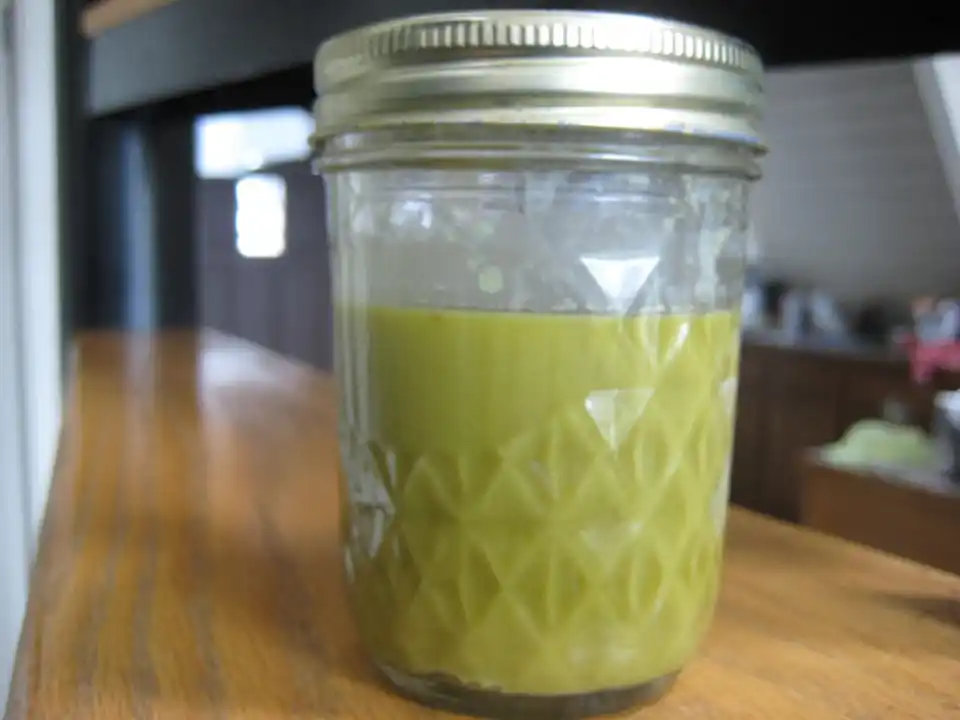
Step-by-step recipe for making vegan, dairy-free Crockpot Cannabis Oil.
Whether you're making cannabutter or cannabis oil, there are a few things you'll need to make it – cannabis, coconut oil, a crockpot (a pot and lid on stove also works if you don't have a crockpot), water, a filter like a cheesecloth, stocking or paper filter, and a jar with a lid.
The process to making cannabis oil is pretty simple – first you decarboxylate the cannabis, then you use heat and fat to extract the thc out of it, leaving it infused in the oil.
Once it's finished, you'll be left with a cannabis-infused or thc-infused coconut oil, known as canna oil. This oil can be used to make many different marijuana edibles recipes, as well, it can also be used for self-care, like a lotion or hair product.
For maximum potency, decarboxylate the cannabis before adding to the oil.
Cannabis decarboxylation is very simple to do and it also makes a huge difference in the potency of the finished canna oil. You simply Preheat oven to 240°F (116°C) exactly (use an oven thermometer to be sure).
Grind cannabis buds into a powder using either your hands or a grinder. Spread cannabis in a thin layer on a clean cookie sheet or any oven-safe dish. Bake for about 40 minutes, checking occasionally to make sure the cannabis does not burn. Remove and set aside.
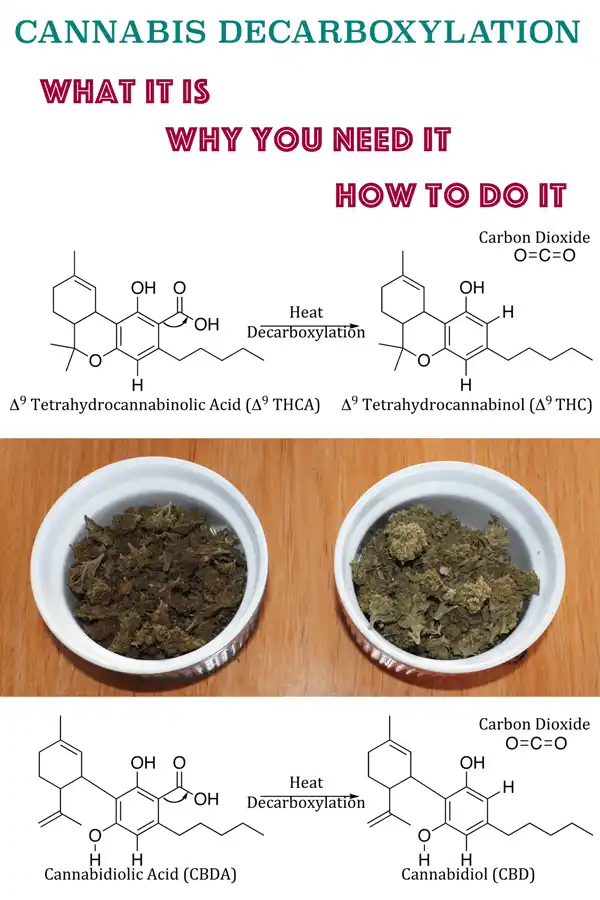
Need more help? Read our complete guide on how to decarboxylate cannabis properly, including temperatures, timing, and common mistakes that can reduce potency.
Health benefits of using coconut oil
If you're like me, someone who likes to cook with cannabis – but wants to do it healthy, cannabis infused coconut oil is the perfect dairy-free, vegan, vegetarian, plant-based, and allergen-friendly substitute to cannabutter. The best alternative for anyone following a specialty diet or for anyone who just wants a substitute to every day butter.
Different ways to make cannabis oil
While this crockpot method is one of the easiest, many people also make infused oil using mason jars, pressure cookers, or traditional stovetop methods. Regardless of method, proper decarboxylation remains the key to maximum potency.
There are many ways to make cannabis-infused oil, all of which doing the same thing – this recipe is by far the simplest and most effective way to make cannabis coconut oil.
The best temperature to cook cannabis at
Temperature control is very important when cooking with cannabis. Cooking too hot could easily burn the cannabis, causing damage to individual terpenes, thus making it useless. Heat is most important during carboxylation as that's when the acids in the cannabis are turned into active cannabinoids our bodies can use. Always try keeping temps below 300°F (148° C) as that's when the cannabis is most likely to get burned.
What's the best strain of weed to use to make cannabis oil
What strain you use to make your canna oil with is a very important thing to think about prior to making the cannabis oil. Simple way to remember – any sativa-based strain will be good for daytime use as it's the "stay awake" strain. Any type of indica-based strain will be good for nighttime use as it's the "sleepy" kind.
After choosing your strain, consider how you'll use the finished oil. Energizing sativa strains often work well for daytime edible recipes, while indica strains are popular for evening recipes such as weed brownies, cannabis caramel candy, and THC lollipops.
Different equipment used to make cannabis coconut oil
You can use this recipe to make canna oil in whatever kitchen equipment you have available, whether it be a slow cooker, pot with lid or instapot. No matter which you choose, the main thing to remember is keeping the heat at the proper temperature.
Looking for more infused cooking ideas? Browse our complete collection of cannabis edible recipes including candies, baked goods, drinks, and infused ingredients.
Frequently Asked Questions About Cannabis Coconut Oil
Related Cannabis Cooking Guides
- How To Decarboxylate Cannabis
- How To Make Cannabutter
- Cannabis Infused Corn Syrup
- Cannabis Lollipops
- Cannabis Edible Recipes
Try something new
Explore recent recipes, classic edibles and practical infusion guides.